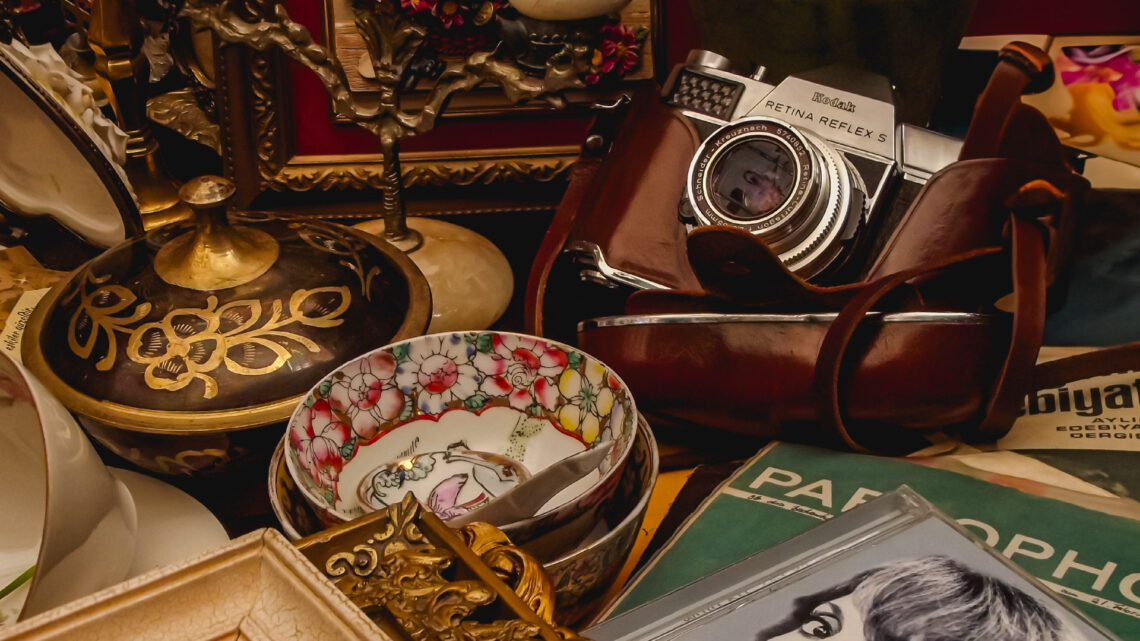
Estate planning is about much more than distributing financial assets and property. Many of the items that hold the greatest sentimental value are often everyday possessions — artwork, furniture, collectibles, photographs, or treasured keepsakes that carry memories from one generation to the next.
While these personal belongings can be included in a Last Will and Testament, doing so may not always be the most practical approach. For families, singles, and retirees looking to simplify their estate planning, a Personal Property Memorandum can provide an effective and flexible solution.
Understanding how a Personal Property Memorandum works can help ensure your wishes are clearly documented while reducing the potential for confusion or conflict among loved ones.
What Is a Personal Property Memorandum?
A Personal Property Memorandum is a separate document that accompanies your Last Will and Testament. It allows you to specify who should receive certain items of tangible personal property without listing every individual gift within your Will itself.
Examples of personal property may include:
- Jewellery
- Artwork
- Furniture
- Collectibles
- Household items
- Memorabilia
- Personal keepsakes
Your Will typically includes a clause that references the memorandum and confirms that the instructions contained within it should be followed.
Greater Flexibility for Estate Planning
One of the biggest advantages of a Personal Property Memorandum is flexibility.
Life changes constantly, and so do relationships, possessions, and personal preferences. If you include every personal gift directly in your Will, making changes often requires a formal amendment or the drafting of a new Will.
This process may involve:
- Legal consultation
- Additional documentation
- Witness requirements
- Administrative costs
A Personal Property Memorandum offers a far simpler alternative. As long as your Will references the memorandum, you can generally update the document by signing and dating a revised version whenever circumstances change.
This allows you to:
- Add new gifts
- Change beneficiaries
- Remove outdated instructions
- Update distributions as your possessions change
The result is an estate planning tool that can evolve alongside your life without requiring major revisions to your Will.
Helping to Reduce Family Conflict
Family disagreements over personal belongings are surprisingly common during estate administration.
Often, it is not the most valuable assets that create tension but rather the items with sentimental significance. A piece of jewellery, an antique clock, a family photograph, or a treasured collection may hold emotional meaning for multiple family members.
Without clear instructions, beneficiaries may be left to negotiate who receives specific items, which can lead to misunderstandings and disputes.
A Personal Property Memorandum helps minimise this risk by providing clear guidance regarding your intentions.
By identifying who should receive particular belongings, you:
- Remove uncertainty
- Reduce emotional disagreements
- Prevent misunderstandings among heirs
- Support smoother estate administration
Clear communication today can help preserve family relationships tomorrow.
Keeping Your Will Simpler and Easier to Manage
Another benefit of using a Personal Property Memorandum is that it prevents your Will from becoming unnecessarily lengthy and complicated.
A Will should primarily focus on major estate planning matters such as:
- Executor appointments
- Guardianship provisions
- Trust arrangements
- Asset distribution instructions
A separate memorandum allows your Will to remain streamlined while still addressing personal belongings in detail.
Understanding the Limitations
While a Personal Property Memorandum is a valuable estate planning tool, it is important to understand its limitations.
It is generally intended only for tangible personal property and cannot be used to distribute:
- Real estate
- Motor vehicles
- Bank accounts
- Investments
- Stocks and bonds
- Cash assets
- Business ownership interests
These assets should be addressed directly within your Will, trust documents, or other estate planning instruments.
A Practical Addition to Your Estate Plan
Estate planning is not only about wealth preservation — it is also about protecting family harmony and ensuring your wishes are clearly understood.
For families, singles, and retirees, a Personal Property Memorandum provides a practical way to organise personal belongings, simplify future updates, and reduce the likelihood of disputes among loved ones.
By taking the time to document your wishes clearly today, you can provide valuable guidance and peace of mind for those you leave behind.
👉 Learn more : How Communication Helps Avoid Family Conflict When Estate Planning